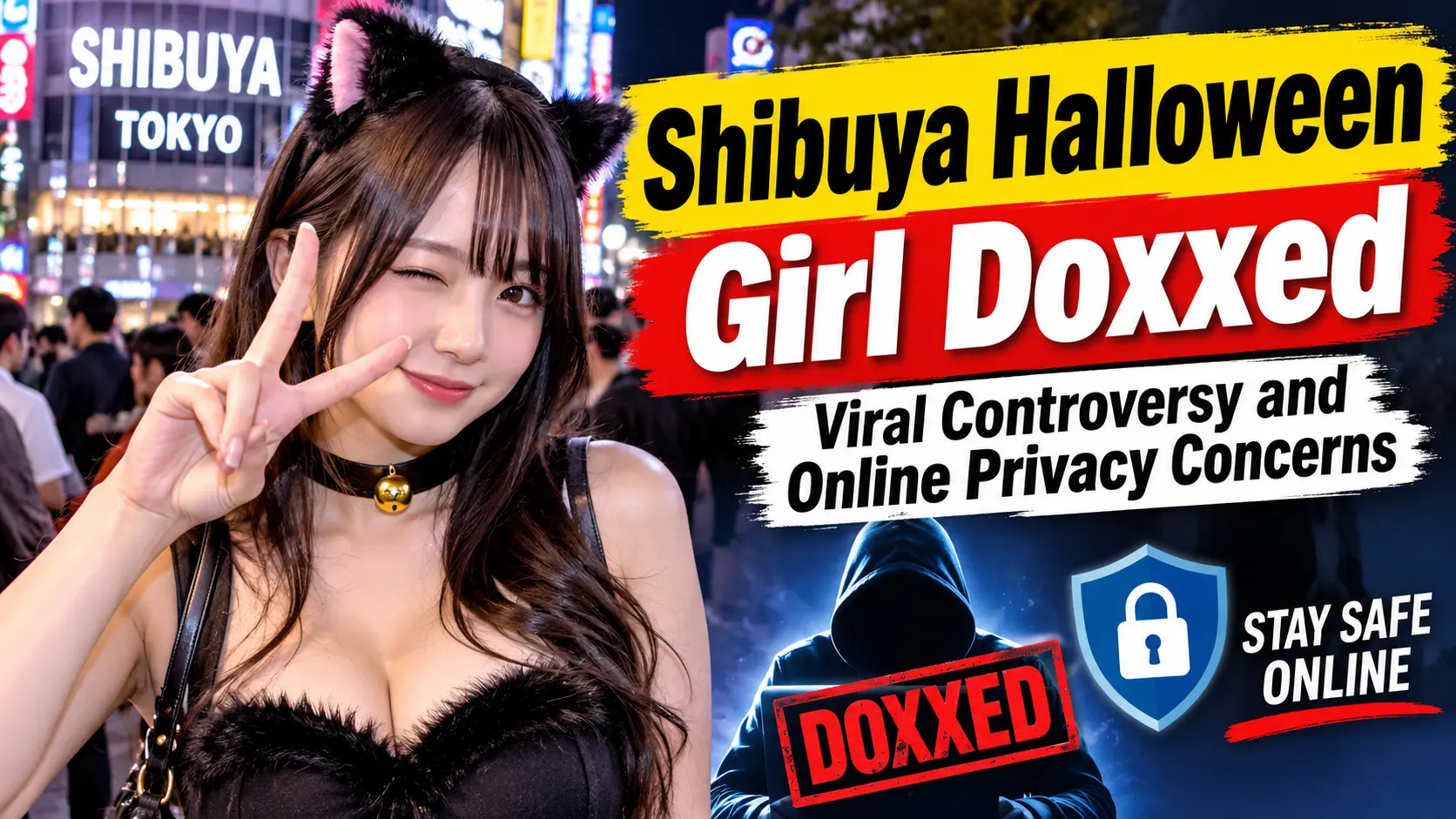
Shibuya Halloween Girl Doxxed: Viral Controversy and Online Privacy Concerns Explained
Shibuya Halloween Girl Doxxed: What Happened?
The Shibuya Halloween girl controversy has attracted attention across social media. Online discussions have intensified following reports of alleged doxxing. Moreover, the incident has raised serious questions about online privacy.
The phrase “Shibuya Halloween girl doxxed” has also started circulating online. However, the full circumstances behind the incident remain important. Social media users should separate confirmed information from speculation.
Table of Contents
What Is the Shibuya Halloween Girl Controversy?
Shibuya, Tokyo, attracts thousands of visitors during Halloween celebrations. The area becomes especially popular with people wearing creative costumes.
Consequently, visitors frequently record videos and share photographs online. Sometimes, these posts attract unexpected attention.
The recent controversy reportedly involves a woman associated with Halloween-related content. Online users have discussed her identity and personal information. However, unverified claims should not be treated as established facts.
What Does Getting Doxxed Mean?
Doxxing happens when someone publishes another person’s private information without permission.
For example, exposed information might include:
- Full legal names.
- Private social media accounts.
- Home addresses.
- Personal telephone numbers.
- Workplace information.
- Private photographs.
Furthermore, doxxing can create serious safety concerns. Victims may experience harassment, unwanted contact, or threats.
Therefore, sharing someone’s private information can cause significant harm.
Why Is the Shibuya Halloween Girl Story Going Viral?
Social media platforms can spread controversial stories within minutes. Additionally, screenshots and short videos often encourage further discussions.
The Shibuya Halloween girl story has attracted attention because of several factors.
First, Halloween celebrations naturally generate viral photographs and videos. Second, online discussions can quickly turn personal incidents into trending topics.
However, popularity does not automatically establish the accuracy of online claims.
Online Reactions to the Alleged Doxxing
The controversy highlights different attitudes toward online privacy.
Some users discuss the incident as internet entertainment. Meanwhile, others have raised concerns about exposing someone’s personal information.
Nevertheless, public curiosity does not justify harassment.
Sharing screenshots containing private details can also increase the victim’s exposure. Therefore, users should avoid reposting potentially sensitive information.
Can Doxxing Have Serious Consequences?
Yes. Doxxing can affect someone’s personal safety, reputation, and mental well-being.
Moreover, exposed information can remain accessible through screenshots and archived posts.
Potential consequences include:
- Online harassment and abusive messages.
- Unwanted calls and personal contact.
- Threats involving personal safety.
- Reputation damage.
- Emotional stress and anxiety.
As a result, victims may need professional or legal assistance.
How Can Someone Protect Their Privacy Online?
Online privacy requires regular attention. Fortunately, several practical steps can reduce potential risks.
- Avoid sharing personal addresses publicly.
- Review social media privacy settings.
- Use strong and unique passwords.
- Enable two-factor authentication.
- Remove unnecessary personal information.
- Report threatening posts immediately.
Additionally, avoid accepting suspicious messages from unknown accounts.
Why Should Social Media Users Avoid Sharing Private Information?
Every social media user has a responsibility to respect personal boundaries.
Even publicly available photographs do not give others unlimited permission to expose private details.
Furthermore, spreading unverified allegations can damage innocent people’s reputations.
Responsible online behaviour means checking information before sharing it. It also means respecting someone’s privacy during viral controversies.
Frequently Asked Questions (FAQs)
1. What is the Shibuya Halloween girl doxxing controversy?
It refers to online discussions surrounding reports that a woman connected with Shibuya Halloween content was allegedly doxxed.
2. What does doxxing mean?
Doxxing means exposing someone’s private information online without their consent.
3. Why is the Shibuya Halloween girl trending?
Online discussions about the alleged privacy incident have attracted attention across social media.
4. Is sharing someone’s private information illegal in Japan?
Depending on the circumstances, exposing personal information can create legal consequences under applicable Japanese laws.
5. Should people share alleged doxxing screenshots?
No. Sharing private information can increase harassment and create additional safety risks.
Final Thoughts
The Shibuya Halloween girl controversy highlights an important problem with modern internet culture.
Viral attention can sometimes turn into unwanted personal exposure. However, entertainment should never come at someone’s expense.
Ultimately, respecting privacy matters more than participating in online drama. Users should verify information and avoid spreading personal details.
More Info About Kpopbio.com