Anjali Arora MMS Controversy: What We Know So Far
The Anjali Arora MMS controversy remains a recurring subject in online entertainment discussions because it raises important questions about celebrity privacy, manipulated media, and the speed at which unverified claims can spread. The controversy first attracted widespread attention in August 2022, when an alleged private video circulated online under Anjali Arora’s name. At the time, established entertainment outlets reported that the video’s authenticity had not been established, while Arora publicly challenged the claim that the person shown was her.
The subject has resurfaced in 2026, with renewed online coverage revisiting the original allegations and Arora’s earlier response. Recent entertainment coverage has also connected the renewed attention to broader conversations about viral private-video claims and the treatment of social media personalities.
However, renewed discussion does not establish that an alleged video is authentic, nor does it mean that a new leak has been independently verified.
That distinction is essential. A trending hashtag, a thumbnail featuring a celebrity’s photograph, or a post promising an exclusive video can attract attention without providing reliable evidence. Readers should separate documented events from speculation and avoid treating an unverified clip as proof of someone’s private conduct.
This article examines the background of the controversy, Arora’s public response, why the story continues to attract attention, and what the episode reveals about privacy and misinformation on social media. It does not reproduce, link to, or encourage the circulation of alleged private material.
Table of Contents
What Is the Anjali Arora MMS Controversy?
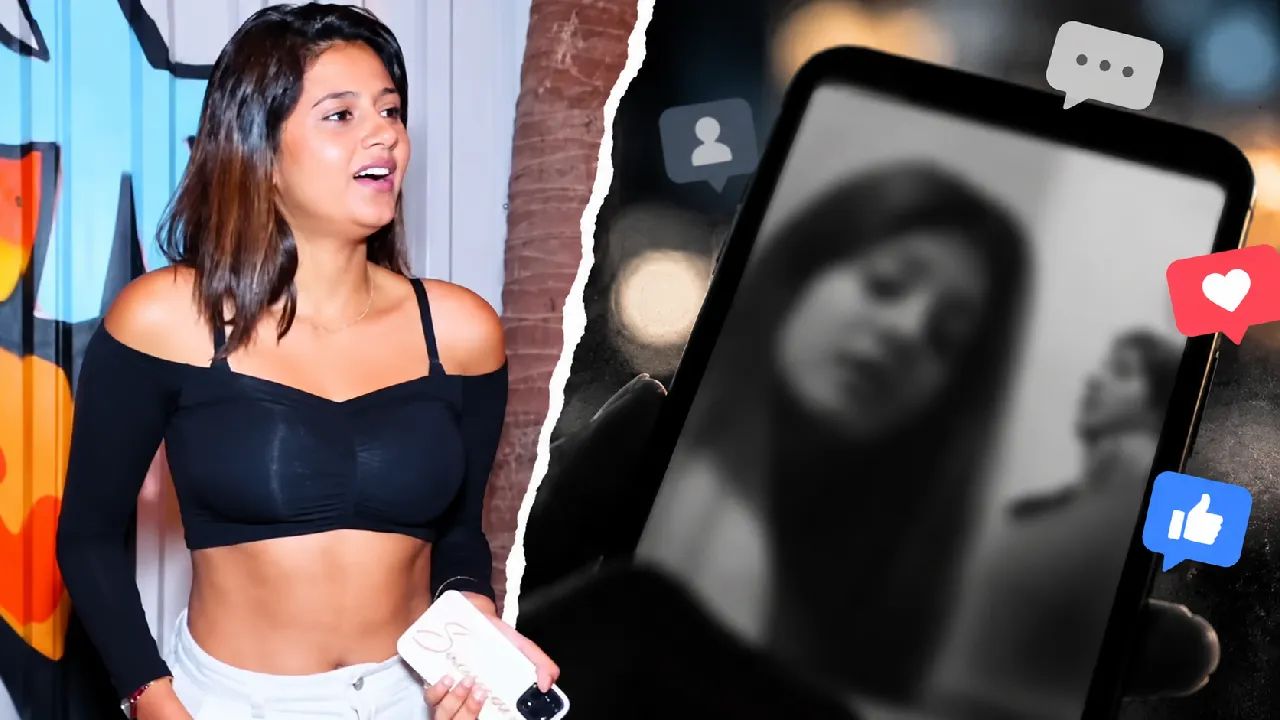
Anjali Arora is an Indian social media personality and actress who became widely recognized after her dance videos attracted attention online. Her popularity increased significantly through the viral track Kacha Badam and her appearance on the reality show Lock Upp in 2022. As her public profile grew, her personal life and online presence became subjects of frequent entertainment coverage. The alleged MMS controversy emerged during this period of heightened visibility, bringing her name into discussions that extended far beyond her professional work.
The controversy centered on a video that circulated online with claims that it featured Arora. Those claims prompted widespread speculation, but contemporary reporting did not establish that the person shown was her. Arora later stated that her name and photograph had been used to associate her with a clip that she said did not feature her. The distinction between the online allegation and her public response is central to understanding the episode. The existence of a viral video does not, by itself, verify the identity of the person appearing in it.
For readers encountering the story for the first time, the most important point is that the alleged video was not reliably authenticated as featuring Anjali Arora in the reporting reviewed for this article. It would therefore be misleading to describe the incident as a confirmed leak of her private video. The controversy is better understood as a case involving an unverified allegation, public denial, online circulation, and questions about the responsible treatment of sensitive digital material.
How the Alleged Video Became a Viral Topic
The story gained momentum in August 2022, when online posts and entertainment reports began discussing an alleged MMS associated with Arora. The timing mattered because she was already receiving considerable attention following Lock Upp and her viral dance performances. Her name was familiar to a large audience, and content carrying her name could quickly attract clicks, comments, and reposts.
A report published by The Times of India on August 10, 2022, noted that social media users were claiming the clip featured Arora but that there was no proof establishing the claim. The report also described uncertainty among online viewers about the identity of the person shown.
This illustrates how online controversies can grow before reliable facts are available. A post may begin with an unsupported caption, then spread through reaction videos, screenshots, discussion threads, and entertainment channels. As more accounts repeat the same claim, it can appear increasingly credible even when the underlying evidence has not improved.
The result is a familiar internet cycle: a public figure becomes the subject of a sensational claim, the claim attracts attention, and the attention encourages further reposting. Eventually, people searching for information may encounter dozens of versions of the same allegation without finding independent confirmation. In Arora’s case, that cycle helped turn an unverified video claim into a prolonged public controversy.
Why Is the Controversy Trending Again in 2026?
The renewed attention appears to reflect a combination of retrospective coverage, continued search interest, and the tendency of social media users to revisit earlier controversies. Recent entertainment articles have again examined the allegations involving Arora, with some explicitly discussing whether the clip was authentic and others recalling her reaction to the incident.
It is important to distinguish this renewed coverage from a verified new development. The available reporting does not establish that a newly authenticated video involving Arora has emerged. Nor does the appearance of fresh headlines necessarily indicate that the original allegations have been resolved through new evidence. Some articles simply revisit events from 2022, meaning the date of publication and the date of the underlying incident should not be confused.
The subject has also returned to wider discussions about online harassment and the circulation of alleged private videos involving digital creators. In December 2025, The Economic Times reported on Arora speaking in connection with a separate controversy involving another creator, Payal Dhare, and reflected on Arora’s own earlier experience. That coverage helped place the original incident within a broader conversation about the personal consequences of viral allegations.
The most accurate explanation, therefore, is that the old controversy has regained attention through renewed reporting and online discussion, rather than through publicly established proof of the original allegation.
Social Media Reposts and Search Trends
Social media platforms make it easy for old stories to circulate as if they were breaking news. Someone can upload an old interview, crop a news report, or repost a screenshot without clearly stating when the original event occurred. Other accounts may then share the post with a current date or a caption suggesting that something new has happened.
Search engines can reinforce this cycle. When a topic attracts a fresh wave of attention, related searches and previously published articles may become more visible. People who see the name trending may search for an explanation, generating further discussion around the same material.
However, there is an important limitation when describing the Anjali Arora controversy in 2026: a headline appearing in search results is not equivalent to independently measured search volume. Without reliable trend data, it would be inappropriate to claim a particular percentage increase in searches or declare that the story is one of India’s biggest trends.
The practical lesson is simple. Before believing a claim that a celebrity video has resurfaced, check the publication date, read the actual report, and look for evidence of a new event. If several websites are merely repeating the same old allegation, their number does not automatically make that allegation more credible.
How New Viral Incidents Revive Old Controversies
A celebrity’s name can reappear in headlines for a completely different reason, bringing older stories back into public discussion. In October 2026, for example, The Times of India reported on a separate viral incident involving Arora at a Dandiya event in Kanpur. The report described online debate about her reaction at the event and the public response to her portrayal of Sita. It did not establish a new development in the original MMS allegation.
This distinction matters because different controversies can become mixed together in search results. A person may trend because of a performance, an interview, a public appearance, or criticism of a professional decision. Once the person’s name is trending, unrelated older allegations can attract renewed clicks.
The same mechanism can operate in reverse: someone searches for an old controversy and encounters newer headlines that seem connected simply because they feature the same name. Without careful reading, the chronology becomes confused.
For Arora, the original MMS story should be assessed on its own evidence, while later events should be reported separately. A new viral moment does not validate an old allegation, and an old allegation should not automatically define a person’s current professional activities.
What Did Anjali Arora Say About the Alleged Video?
Arora publicly addressed the controversy in August 2022 after the alleged video had circulated online. In an interview with Siddharth Kannan, she expressed distress about people using her name and photograph to identify her as the person in the clip. Hindustan Times reported her response on August 17, 2022, noting that she described the video as manipulated and said that her family was also affected by its circulation.
Her response focused on the personal consequences of the allegations. She questioned why people were spreading content under her name when, according to her, she was not the person shown. She also discussed the impact on her parents and other family members who could encounter the material online.
The episode illustrates why a person’s response deserves attention without being treated as a substitute for technical verification. Arora’s statement is important evidence of her position and her experience of the controversy. Separately, contemporary reporting indicated that the video’s identity claim had not been substantiated. Responsible coverage should preserve both points rather than exaggerating either one.
Her comments also highlighted the difference between public visibility and public consent. Being an influencer or actor means that much of a person’s professional life is available for public discussion. It does not mean that allegations about private or intimate material should be accepted without evidence, or that personal boundaries cease to matter.
The controversy also shows how an online rumor can become emotionally difficult to address. Once a claim has spread widely, a public figure may be asked to respond repeatedly, even when no new evidence has appeared. Each new interview or headline can revive the original story, prolonging the attention that the person may have wanted to move beyond.
Was the Viral MMS Video Verified?
The key factual question is whether credible reporting established that the person in the alleged video was Anjali Arora. The reports reviewed here do not provide such confirmation. In August 2022, The Times of India explicitly reported that the claim had not been proved, while Hindustan Times subsequently covered Arora’s statement that the clip was being circulated using her name and a manipulated image.
In January 2024, NDTV revisited the controversy and reported that Arora had taken legal action against media portals and YouTube channels over the circulation of the alleged morphed video. Its report described the dispute in terms of alleged reputational harm and the circulation of content she said was fake.
These reports support a careful conclusion: the claim that the video featured Arora was disputed, and the material was not reliably authenticated as hers in the sources examined. That is different from claiming that every copy, edit, or online post has been conclusively investigated by an independent forensic authority. The evidence available here does not justify that broader statement.
The Difference Between a Claim and Confirmed Evidence
A viral claim and a verified fact are two different things. A caption can name a celebrity, an edited image can resemble a familiar face, and a video can be reposted thousands of times without establishing the identity of the person shown. Even a seemingly convincing visual impression is not a reliable substitute for authentication.
A careful fact-check should ask whether a reputable source has independently verified the material, whether the identity claim is supported by credible evidence, and whether a reported statement is being presented accurately. It should also distinguish a person’s denial from an independent finding rather than presenting either one as something it is not.
In this case, the available reports establish that the allegation circulated, that Arora challenged it, and that subsequent coverage described legal action concerning the alleged morphed material. They do not establish that the video was an authentic recording of her.
Readers should therefore avoid definitive claims about the identity of the person shown. It is also unnecessary to search for or circulate the alleged clip to understand the news. The public-interest issue is the spread of an unverified claim and its consequences, not the private content that internet users may be encouraged to seek.
How the Controversy Affected Anjali Arora and Her Family
One of the most significant aspects of the controversy was the emotional impact Arora described publicly. In her August 2022 interview with Siddharth Kannan, she became visibly emotional while discussing the circulation of the alleged video and the effect on her family. Hindustan Times reported that she was concerned about relatives seeing content that falsely associated her with the clip.
For a public figure, an online allegation can spread beyond the original audience almost immediately. Friends, relatives, colleagues, and professional contacts may encounter the same material, sometimes accompanied by mocking comments or misleading descriptions. The person targeted can find themselves responding to a claim they did not create, while the original post continues to circulate independently.
Family members can also face unwanted questions or pressure because of an allegation involving someone they know. Arora’s comments drew attention to this dimension of the controversy, reminding audiences that online content can have consequences beyond the individual whose name appears in a headline.
There is no need to speculate about private conversations within her family or assign specific psychological consequences that she has not publicly described. What is documented is that she spoke about the distress caused by the allegations and their effect on her relatives. Her experience demonstrates why privacy, consent, and careful reporting matter even when a story involves a well-known personality.
The episode also raises a broader question: why do audiences sometimes treat allegations about a person’s private life as entertainment? A celebrity may become a familiar face through videos, interviews, and television appearances, but familiarity does not make that person’s private life public property. Responsible audiences can follow entertainment news without turning unverified personal allegations into a source of amusement.
Anjali Arora’s Career Before and After the Controversy
Arora’s public identity was already established before the MMS controversy emerged. Her dance performance associated with Kacha Badam attracted substantial attention, helping her build a following on social media. Her participation in the reality show Lock Upp in 2022 expanded her visibility and introduced her to viewers who might not previously have encountered her online content.
Her popularity illustrates how digital entertainment careers can develop quickly. A short video may introduce a creator to millions of viewers, while a television appearance can turn that brief recognition into a more sustained public profile. Yet increased visibility can also expose creators to intense scrutiny, particularly when their names become associated with sensational online claims.
The controversy became a major part of the entertainment coverage surrounding Arora in 2022. Some reports focused on the allegation itself, while others examined her response and the personal distress she described. This shift shows how a story about an unverified video can overshadow discussion of an individual’s professional achievements.
It would be difficult to establish precisely how much the controversy affected her career without reliable evidence about professional opportunities, earnings, audience behavior, or other measurable outcomes. It is more accurate to say that the episode generated substantial public discussion and became a recurring part of the coverage about her.
Her career should not be reduced to this single incident. Arora is a social media personality and actress whose public work includes dance content, entertainment appearances, and other professional activities. A responsible account of her career should distinguish those activities from allegations that have not been substantiated.
Legal Action and Digital Privacy Concerns
The controversy eventually moved beyond social media discussion. In January 2024, NDTV reported that Arora had taken legal action against multiple media portals and YouTube channels over their circulation of the alleged morphed video. According to that report, she accused the outlets of damaging her reputation by sharing the material.
This development highlights the potential legal consequences of publishing or distributing disputed content about a real person. Depending on the circumstances and applicable law, the issues may involve defamation, privacy, unauthorized use of a person’s image, or the non-consensual distribution of intimate material. The relevant legal questions depend on the facts, the conduct involved, and the jurisdiction.
However, legal action should not be confused with a final court judgment. The reporting cited here establishes that legal proceedings were reported; it does not, by itself, establish the ultimate outcome of every claim, the liability of each party, or the current status of the case. Those details should not be invented or assumed.
The incident also illustrates the importance of responsible editorial decisions. A publisher can report that an allegation exists without reproducing potentially harmful material, implying that an identity claim is proven, or directing readers to copies of the clip. This approach allows the public to understand the issue while reducing the risk of amplifying the original harm.
For ordinary internet users, the practical message is equally important. Forwarding a sensitive video is not necessarily harmless simply because it is already circulating. Sharing it can increase its reach, expose people to unwanted material, and contribute to further harassment. If content appears to violate someone’s privacy, avoiding redistribution and reporting the post through the relevant platform are safer choices.
Why Alleged Celebrity MMS Videos Spread So Quickly
The spread of alleged celebrity videos is not unique to Arora. Social platforms reward content that generates attention, and sensational claims can provoke immediate curiosity, anger, disbelief, or amusement. Those reactions can encourage users to comment and repost before they have checked whether the claim is true.
A celebrity’s name also functions as a powerful attention-grabbing label. When an account attaches a recognizable name to a video, users may click because they already know the person. The post can then travel through recommendations, private messages, discussion groups, and reaction channels.
There is also a difference between genuine reporting and content designed primarily to attract clicks. A responsible article explains what is known, identifies what remains unverified, and provides context. A misleading post may instead use an exaggerated headline, a suggestive thumbnail, or a supposed download link to create the impression that the viewer is about to discover exclusive evidence.
Manipulated images and AI-assisted editing can make the problem harder to navigate. Familiar faces may be inserted into images or videos, and an altered clip can be presented without enough context for viewers to understand what they are seeing. This does not mean every disputed video is AI-generated; it means that visual familiarity alone should not be treated as proof of identity or authenticity.
The Anjali Arora controversy demonstrates why independent verification matters. Once a sensational allegation becomes familiar, repeated exposure can make it seem established even when the evidence remains unchanged. The responsible response is to slow down, examine the reporting, and refuse to mistake popularity for proof.
How to Recognize Misleading Viral Video Claims
When a celebrity video begins trending, a few basic checks can help readers avoid misinformation. Start by looking at the publication date and the original source. A story published in 2026 may be discussing an incident from 2022, and a newly uploaded social media post may simply reproduce old footage or an old allegation.
Next, examine the language used in the headline. Words such as alleged, claimed, reportedly, and unverified can indicate that a story has not been conclusively established. If the headline makes a definitive claim but the article provides no reliable evidence, treat that mismatch as a warning sign.
Look for independent reporting from established news organizations. Several websites repeating an identical claim may all be relying on one original post rather than independently verifying the material. The number of search results is not a measure of authenticity.
It is also worth checking whether the article quotes the person concerned or refers to a documented public statement. In Arora’s case, her August 2022 response was reported by established entertainment and news outlets. Those reports provide useful context about her position, while the original claim about the video’s identity remained unverified.
Finally, avoid downloading files or opening suspicious links that promise access to a leaked video. Such links may expose users to phishing attempts, deceptive advertisements, malicious downloads, or privacy risks. You do not need to view an alleged intimate clip to determine whether a news report is credible.
What Readers Should Know Before Sharing Such Content
The decision to share a post may seem minor, but it can contribute to the reach and longevity of a harmful allegation. A person who forwards a video to a group chat might believe they are simply discussing a trending story. Yet each additional share can introduce the material to people who would otherwise never have encountered it.
A better approach is to share credible reporting that explains the facts rather than the alleged private material itself. If the content appears to be manipulated, misleading, or distributed without consent, avoid reposting it and use the platform’s reporting tools where appropriate.
Readers should also be cautious about comments that claim to identify the person in a clip based on appearance alone. Speculation about someone’s identity can create additional harm, particularly when the material involves sexual or intimate content. Repeating an accusation does not make it more accurate.
For journalists and website publishers, the same principles apply. Headlines should accurately reflect the available evidence, the article should distinguish documented facts from allegations, and the publication should avoid unnecessary details that invade privacy. Search optimization should help readers find accurate information, not encourage them to seek potentially harmful material.
Ultimately, the best response to a viral controversy is not always to click, share, or comment. Sometimes it is to pause, check the facts, and decline to amplify an allegation that has not been substantiated.
Frequently Asked Questions
1. Why is the Anjali Arora MMS controversy trending again in 2026?
The controversy has received renewed attention through entertainment coverage and online discussions revisiting the 2022 allegations. Recent headlines do not, by themselves, establish that a new video has emerged or that the original claim has been verified.
2. Was the alleged Anjali Arora MMS video confirmed to be real?
The news reports reviewed for this article did not authenticate the video as featuring Anjali Arora. She publicly disputed the claim and described the material as manipulated. It is therefore inaccurate to present the allegation as an established fact.
3. What did Anjali Arora say about the controversy?
In an interview with Siddharth Kannan in August 2022, Arora expressed distress about people using her name and photograph to associate her with the alleged video. She also spoke about the effect of the controversy on her family.
4. Did Anjali Arora take legal action over the alleged video?
NDTV reported in January 2024 that Arora had taken legal action against media portals and YouTube channels over the circulation of the alleged morphed video. That report does not establish the final outcome or current status of every legal claim.
5. Where can readers find reliable information about the Anjali Arora MMS controversy?
Readers should consult established news organizations and reports that distinguish verified facts from allegations. Coverage by Hindustan Times, The Times of India, and NDTV provides background on the original controversy, Arora’s response, and the subsequently reported legal action. Avoid suspicious links promising leaked footage, and do not share unverified private material.
Conclusion
The Anjali Arora MMS controversy began in August 2022 and continues to reappear in entertainment discussions because of renewed coverage, online reposts, and wider debates about viral celebrity allegations. Contemporary reporting did not establish that the person shown in the alleged video was Arora, and she publicly challenged the claim, describing the material as manipulated. Later coverage also reported legal action concerning the circulation of the alleged morphed video.
The renewed interest in 2026 should not be mistaken for proof that the original allegation was true or that a new video has been authenticated. The available evidence supports a more careful account: a disputed claim circulated widely, the person targeted spoke publicly about its effects, and the controversy raised questions about digital privacy and reputational harm.
For readers, the lesson extends beyond one celebrity. Viral content can travel faster than verification, and an attention-grabbing headline can make speculation look like fact. Checking reliable sources, respecting privacy, and avoiding the distribution of unverified intimate material are practical ways to reduce that harm.
Arora’s professional identity should not be defined solely by an allegation that remains unverified. Reporting the story accurately means explaining what happened, acknowledging what is unknown, and refusing to turn uncertainty into sensationalism.
More Info About Kpopbio