Viral Bikini Video at Dandiya Night: Facts and Debate
What Is the Viral Bikini Video Controversy About?
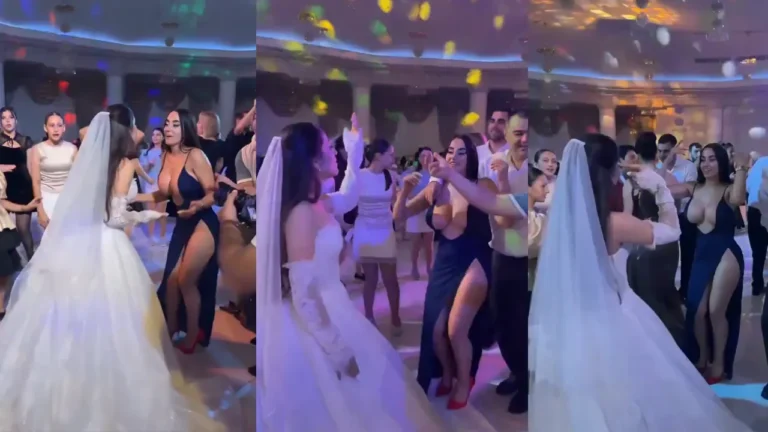
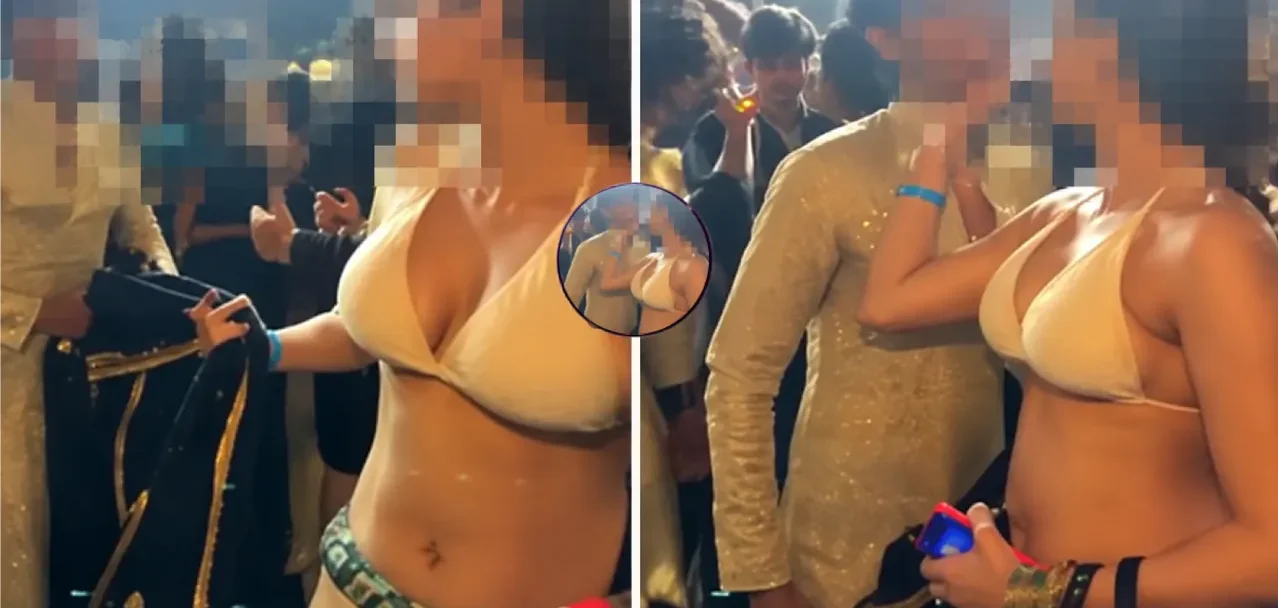
A headline about a viral bikini video at Dandiya Night raises an immediate question: what exactly happened, and why has the clip allegedly triggered a debate about clothing at a traditional festival? Dandiya nights are closely associated with Navratri celebrations, colourful traditional outfits, devotional music, and energetic group dancing. When a video is presented as showing clothing that differs from the expected festival dress, online discussion can quickly shift from the footage itself to broader questions about cultural traditions, public behaviour, and personal freedom. However, a headline alone cannot establish what happened, where a video was filmed, or whether the footage has been accurately described.
There is an important distinction between a verified news event and a claim that circulates on social media. A clip may be authentic but presented with a misleading caption, or it may show an unrelated event that has been given a new context. In other cases, edited or digitally generated footage can make verification even more difficult. Readers should therefore establish the video’s original source, location, and date before accepting the story as fact.
As of October 17, 2026, searches of current news coverage have not established reliable confirmation of a specific bikini-clad attendee at a Dandiya night being at the centre of the exact controversy described in this headline. That does not prove that no such clip exists; it means the particular claim remains unverified in the sources located for this article.
Table of Contents
What Has Been Verified About the Viral Claim?
Recent coverage does show that Dandiya-related videos can attract substantial online attention for reasons unrelated to clothing. On October 17, 2026, The Times of India reported on a video involving influencer and actress Anjali Arora at a Dandiya event in Kanpur. The report described divided online reactions, but it also stated that the precise reason for Arora’s visible reaction in the footage remained unclear.
That report should not be confused with confirmation of a bikini-related incident. The available reporting does not establish that Arora’s video involved a bikini, nor does it verify that the incident described in the headline here refers to the same event.
Another relevant example comes from a September 2025 report by The New Indian Express about a Dandiya event held on the premises of the Samaleswari Temple in Sambalpur, Odisha. The controversy concerned the event’s commercial presentation, lighting, and the playing of songs that some local residents considered inappropriate for the religious setting. It was a dispute about cultural decorum at a festival, not evidence of the bikini-video claim.
These examples illustrate why careful reporting matters. Similar headlines can describe very different incidents, and combining them into one story could mislead readers. Until the original clip or a credible report establishes the details, claims about the identity of a person, the event’s location, or the reason for the alleged backlash should not be presented as confirmed facts.
Why Do Dandiya and Garba Events Have Cultural Significance?

Dandiya Raas and Garba are important parts of Navratri celebrations, particularly in Gujarat, although both are enjoyed in many other Indian states and by Indian communities around the world. Garba traditionally involves dancing in a circle, while Dandiya Raas features pairs or groups dancing with decorated sticks. The events combine music, movement, community participation, and regional cultural traditions. For many attendees, they are also opportunities to celebrate with family, meet friends, and participate in a festival that carries religious and social meaning.
Traditional festival clothing often includes colourful chaniya cholis, embroidered skirts, kediyu outfits, dupattas, mirror work, and jewellery. These clothes are popular because of their connection to regional styles and because they look striking during energetic dances. At the same time, modern Dandiya events increasingly incorporate contemporary fashion, themed nights, designer outfits, and styles influenced by wider entertainment trends.
Traditional clothing and modern festival fashion
Fashion at a Dandiya event is not necessarily identical across venues. A temple-organised celebration may have different expectations from a ticketed event at a hotel, a university festival, or a large commercial venue. Some organisers encourage traditional clothing, while others allow a wider range of festive outfits.
This variety helps explain why a debate about clothing can become complicated. One attendee might see traditional dress as an important expression of cultural respect. Another might view a Dandiya night primarily as a social dance event where individual fashion choices should be accepted, subject to the venue’s published rules.
Neither perspective automatically establishes what happened in a particular viral video. The actual setting, event policies, and verified footage matter more than assumptions based on the headline.
Why Does Clothing Trigger Online Controversies?
Clothing can become a flashpoint because people attach different meanings to the same outfit. For some, clothing communicates respect for a religious occasion, a community, or a particular venue. For others, clothing is primarily an expression of identity, creativity, confidence, or personal preference. When these expectations meet at a public celebration, disagreements can emerge even when no law or clearly stated venue rule has been broken.
Social media can magnify such disagreements. A short clip may be shared without the moments before or after it, while captions encourage viewers to interpret the footage in a particular way. Some users may condemn the person shown, others may defend their freedom of expression, and still others may question why the recording was shared publicly. The original event can quickly become secondary to a larger argument about morality, tradition, and changing social attitudes.
A related example appeared in January 2026, when Mint covered a viral video of an influencer dancing in a bikini amid snowfall in Manali. The report described a divide over personal choice, public conduct, cultural sensitivity, and filming in shared spaces. That was a separate incident, not evidence of the alleged Dandiya video, but it illustrates how clothing-related clips can become broader online debates.
The key question is not simply whether people approve of an outfit. It is whether they are discussing a verified event fairly, respecting the person involved, and distinguishing their personal opinions from established facts.
Traditional Values Versus Personal Freedom
The dress-code debate reflects a wider question: how can people respect cultural traditions while allowing individuals to make personal choices about their appearance? For many families, Navratri is a religious occasion associated with devotion, worship, and respect for local customs. Traditional outfits can be a meaningful part of that experience, and some attendees deliberately choose clothing that reflects their cultural heritage.
Other participants approach Dandiya nights as inclusive community celebrations where people should be able to enjoy music and dance without facing unnecessary judgement about their appearance. They may believe that clothing preferences should remain personal unless they conflict with a reasonable, clearly communicated event rule.
These views do not always need to be in conflict. Event organisers can communicate dress expectations in advance, while attendees can decide whether those expectations fit their preferences. A person who disagrees with a venue’s policy can choose another event rather than becoming the target of online harassment.
It is also important to distinguish criticism of a dress code from personal attacks against an individual. People can debate what clothing is appropriate for a particular religious or cultural setting without insulting someone’s character, making assumptions about their intentions, or encouraging others to target them.
Do Dandiya Events Have Dress Codes?
Some Dandiya events specify traditional attire, while others adopt a more flexible festive dress policy. There is no single dress code that automatically applies to every event across India. The rules depend on the organiser, venue, event format, and any applicable safety requirements.
A clearly communicated dress code helps attendees make informed decisions. For example, an organiser might request traditional Indian clothing for a themed celebration or establish practical footwear requirements for a crowded dance floor. Such conditions should be communicated before tickets are purchased whenever possible.
| Type of event | Possible clothing expectations | What attendees should check |
|---|---|---|
| Temple or religious community event | Traditional or modest attire may be encouraged or required | Published instructions from the organisers |
| Commercial Dandiya night | Festive clothing, sometimes with a traditional theme | Ticket terms and event dress policy |
| College or university celebration | May range from traditional wear to contemporary festive fashion | Campus and event-specific rules |
| Private club or hotel event | Depends on the venue and organiser | Entry requirements and any restrictions |
The examples above are general possibilities, not confirmed rules for a particular event. Attendees should consult the actual event announcement instead of assuming that every Dandiya celebration follows the same policy.
The Role of Social Media in Viral Video Controversies
Social media platforms make it easy for festival footage to reach thousands of people within a short period. A clip recorded by one attendee can be reposted by entertainment pages, commentary accounts, and other users who may not know the original context. As the video spreads, its caption may change, and later viewers may encounter an interpretation rather than the original source.
This creates a challenge for news publishers. A headline that repeats an unverified claim can make it appear more credible simply because it is published in article form. Responsible reporting requires checking whether the original recording is available, whether the date and location can be established, and whether credible independent sources support the description.
Artificial intelligence and digital editing add another layer of complexity. A video that appears realistic is not necessarily authentic, and visual inspection alone may not establish whether a clip has been manipulated. Conversely, a strange-looking video should not automatically be labelled AI-generated without evidence.
For readers, the safest approach is to seek the earliest available upload, check the uploader’s credibility, look for independent reporting, and remain cautious about sensational captions. If the evidence is insufficient, the accurate description is that the claim remains unverified.
Privacy, Consent, and Responsible Sharing
A viral video can expose an ordinary attendee to intense public attention, particularly when viewers begin identifying the person, searching for personal accounts, or circulating screenshots. That attention can become disproportionate to the original incident, especially if the clip was recorded without the person’s knowledge or shared with a misleading caption.
People should avoid spreading private information, speculative identities, or edited footage designed to embarrass someone. The fact that a person appears in a public event video does not make every form of online targeting appropriate. Criticising an event policy is different from encouraging harassment of an individual.
Publishers also have a responsibility to avoid presenting unverified accusations as facts. If a video cannot be authenticated, the article should make that limitation clear. If an individual’s identity is not necessary to explain the issue, identifying details should not be added merely to attract clicks.
A responsible discussion can focus on cultural expectations, event policies, freedom of expression, and online behaviour without turning an unverified clip into a personal controversy.
What Should Readers Know Before Believing Viral Claims?
Before accepting a headline about a bikini video at Dandiya Night, consider whether there is evidence that establishes the event’s date, location, and context. Look for reporting from established news organisations and statements from the relevant organiser if one is available. Be especially cautious when a post makes dramatic claims but does not identify a reliable source or provide the original footage.
It is also worth checking whether the controversy described in a post has been confused with another incident. A video from a beach, a tourist destination, or an unrelated cultural celebration may be recirculated with a new caption. Even when a video is genuine, its description can still be inaccurate.
Finally, distinguish facts from opinions. A statement such as “some viewers objected to the outfit” requires evidence that viewers actually expressed those objections. A statement that the outfit was disrespectful is an opinion unless it is clearly attributed to someone expressing that view. A claim that an event banned a particular outfit requires confirmation from the organiser or another reliable source.
These distinctions make a difference between informative entertainment reporting and content that merely amplifies online speculation.
Frequently Asked Questions
1. What is the viral bikini video at Dandiya Night?
The headline describes an alleged video connected to a Dandiya event and a debate about clothing. However, the specific incident has not been independently verified in the reliable sources located for this article. Its date, location, and original context remain unconfirmed.
2. Why are people debating dress codes at Dandiya nights?
Dress-code debates can arise because attendees have different expectations about traditional clothing, religious respect, and personal freedom. Some events encourage traditional outfits, while others permit contemporary festive fashion. The applicable rules depend on the individual event.
3. Is wearing a bikini prohibited at every Dandiya event?
There is no single dress code that applies automatically to every Dandiya event. Organisers may establish clothing requirements for their particular venue or celebration. Attendees should check the published policy rather than assume that all events follow identical rules.
4. Has the alleged viral video been confirmed as authentic?
The specific bikini-related Dandiya claim has not been independently authenticated by the sources located for this article. The video should not be described as genuine, manipulated, or AI-generated without reliable supporting evidence.
5. How can readers check whether a viral festival video is real?
Look for the original upload, verify the date and location, compare independent news reports, and check for statements from the event organiser. Avoid sharing identifying information or sensational claims until the context has been established.
Conclusion
The headline “Viral Bikini Video at Dandiya Night Sparks Dress Code Debate” raises questions about cultural traditions, personal freedom, and the influence of social media. However, the exact bikini-related incident described in the headline has not been independently verified by the reliable reporting located for this article as of October 17, 2026. Other Dandiya-related controversies have been reported, but they should not be treated as proof of this specific claim.
Dandiya and Garba celebrations bring together religious traditions, community participation, dance, and changing fashion choices. Different venues may have different dress codes, and people can reasonably disagree about what they consider appropriate. Those disagreements are best discussed with accurate information and respect for individual privacy.
Until credible evidence establishes what happened in the alleged video, readers should avoid treating the headline as confirmed news. The most responsible response is to verify the footage, respect the people involved, and discuss cultural expectations without spreading speculation or encouraging harassment.
More Info About Kpopbio