Malévola Alves Arrested in Egypt Over Viral Videos: 7 Shocking Facts About the Case
What Happened to Malévola Alves?
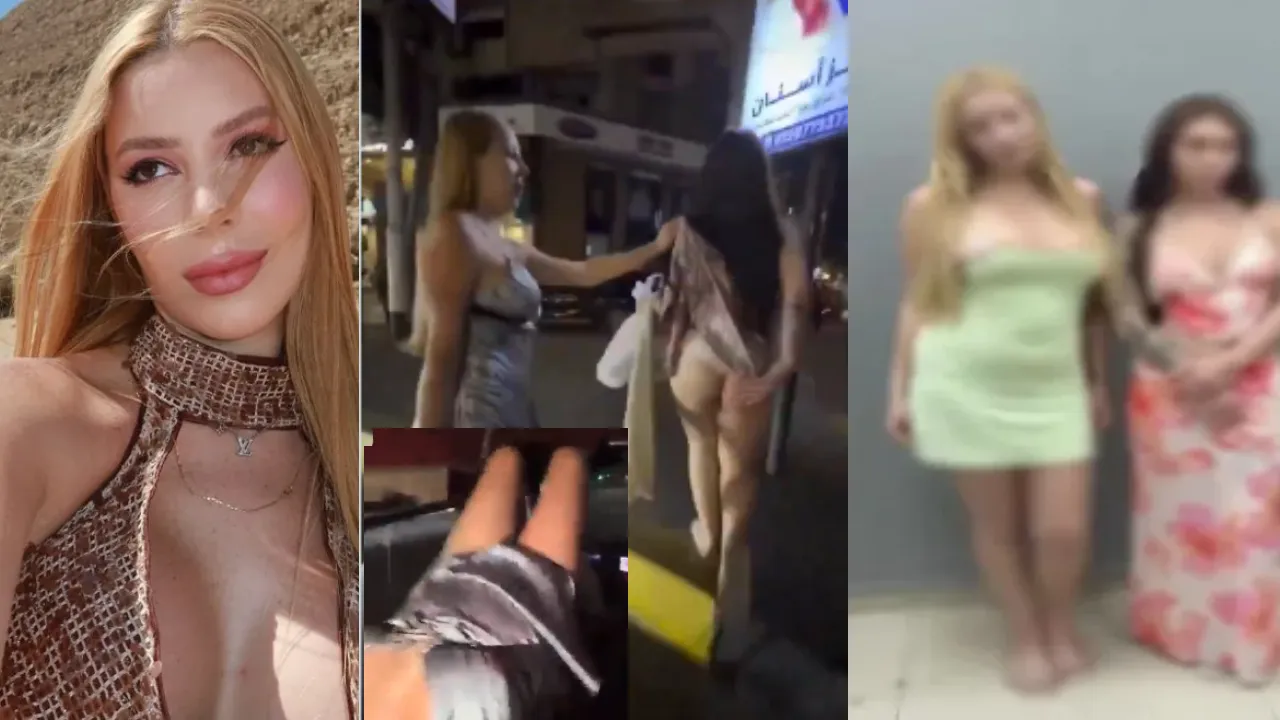
The news that Malévola Alves was arrested in Egypt attracted international attention after reports emerged about controversial videos filmed in public places. The Brazilian social media influencer was reportedly detained in Alexandria, Egypt, alongside a friend after footage featuring the two women circulated online.
According to reports published on October 20 and 21, 2026, Egypt’s Interior Ministry confirmed the detention of two foreign tourists following an investigation into videos that allegedly showed sexually suggestive gestures and behaviour directed at pedestrians. The authorities stated that the women recorded and shared the footage on social media.
The incident has raised questions about social media fame, public behaviour, local laws, and the responsibilities of international travellers.
However, one important distinction must be made: an arrest or detention does not establish guilt. The allegations reported by Egyptian authorities should not be confused with a final court judgment.
As of October 21, 2026, available reporting indicates that the case was referred to Egypt’s Public Prosecution. A final judicial outcome, including any conviction, release, or sentence, has not been established by the sources reviewed for this article.
The following sections explain seven important facts about the incident and what readers should know before drawing conclusions.
Table of Contents
1. Who Is Malévola Alves?
Background and online presence
Malévola Alves is the online name of Mariana Alves Gadelha Pereira, a Brazilian digital content creator known for her social media presence. Her content and public image have attracted attention in Brazil, including through lifestyle posts, personal videos, and online controversies.
She became the subject of international news coverage in October 2026 following reports of her detention in Egypt. Before this incident, she had already attracted public interest through her online activities and appearances connected with Brazilian entertainment and influencer culture.
Her career as a social media influencer
Social media influencers often build their audiences by sharing personal experiences, fashion content, humour, travel videos, and other material designed to attract engagement.
Malévola’s online presence is part of this wider digital entertainment industry. Creators may reach audiences through several platforms, where short videos can quickly become popular and generate discussions far beyond their original audience.
The incident in Egypt demonstrates how quickly an influencer’s public identity can shift when a personal video becomes an international news story.
Instead of focusing only on entertainment, audiences and journalists have begun discussing the legal allegations and circumstances surrounding her detention.
Why is Malévola Alves trending?
Three factors help explain the attention surrounding the story:
- International location: The incident reportedly occurred in Alexandria, Egypt, while the influencer was travelling outside Brazil.
- Viral footage: Videos allegedly showing sexually suggestive gestures became the focus of an investigation reported by Egyptian authorities.
- Conflicting concerns: Public discussion includes the alleged conduct, the treatment of foreign visitors, and concerns raised by the influencer’s representatives about her safety and rights.
These factors have made the story relevant to entertainment news, travel safety, social media culture, and discussions about the treatment of transgender people.
It is important, however, not to treat online speculation as verified information about her personal life or legal circumstances.
2. Why Was Malévola Alves Arrested in Egypt?
The central question behind the story is why Egyptian authorities detained the Brazilian influencer and her companion.
According to reporting from Brazilian news outlets, the Egyptian Interior Ministry said investigators examined videos circulating on social media. Authorities alleged that the footage showed two foreign tourists making sexually suggestive gestures and directing inappropriate behaviour toward pedestrians in public places.
The reported detention took place in Alexandria, a major Egyptian city on the Mediterranean coast.
What allegations were reported?
The official account, as reproduced in news reports, included allegations of:
- Making gestures that authorities described as sexually suggestive or obscene.
- Engaging in behaviour considered inappropriate in public.
- Directing sexual insinuations toward people in the street.
- Harassing or bothering pedestrians, according to the authorities’ description.
- Recording and publishing the videos on social media to increase views, as alleged by officials.
These are allegations reported from the Egyptian authorities’ account of the case. They should not be presented as independently proven facts or as a substitute for a court decision.
Why did the location matter?
Public behaviour that is treated casually in one country may be viewed differently in another. Tourists must understand the local legal framework and cultural expectations of the places they visit.
Egypt has laws and public-morality rules that can affect how authorities respond to certain conduct in public spaces. However, the precise legal provisions applicable to this case, the formal charges, and the possible penalties have not been clearly established in the reports reviewed here.
It would therefore be inaccurate to state a specific sentence or fine as a confirmed outcome.
Did the videos directly lead to the detention?
According to the authorities’ account reported by multiple outlets, the videos prompted an investigation that led to the identification and detention of the two women.
The exact sequence of every event has not been independently established. Nor does the public circulation of a video, by itself, establish that all allegations connected with it are true.
The legal process will determine how the evidence is assessed and whether the allegations are substantiated.
3. What Do the Viral Videos Show?
The videos are central to the controversy because authorities reportedly used the footage as part of their investigation.
News reports describe clips showing two women dancing or making gestures that Egyptian officials characterised as sexually suggestive. Authorities also alleged that the women interacted inappropriately with pedestrians.
The footage attracted attention on social media before the story spread to international news outlets.
Why do short videos spread so quickly?
Short-form videos can reach large audiences in a matter of hours. A clip may be shared by viewers who have little information about the people involved, the original context, or the events leading up to its recording.
Several factors can accelerate this process:
- Emotional reactions: Content that surprises, shocks, or angers viewers often attracts comments and shares.
- Public controversy: Disagreements about acceptable behaviour can encourage people to discuss a video.
- Reposting across platforms: A clip uploaded on one platform can quickly appear on other social networks.
- News coverage: Once established news organisations report on a controversy, audiences outside the original community may discover it.
- Missing context: Short clips may not show everything that happened before or after the recorded moment.
These factors help explain why a video made for entertainment can eventually become the subject of a legal investigation.
Can a viral video prove guilt?
No. A video may provide evidence of a particular action, but its meaning depends on the full context, authenticity, and applicable law.
Investigators may examine the original recording, the people involved, the location, witness accounts, and other relevant evidence.
In this case, the authorities’ interpretation of the footage has been widely reported. Nevertheless, readers should distinguish the official allegations from a final judicial finding.
Responsible reporting means explaining what is known without exaggerating what remains uncertain.
For that reason, readers should avoid relying on edited clips, anonymous social media posts, or captions that claim a specific legal outcome without credible evidence.
4. What Did Egyptian Authorities Say?
The Egyptian Interior Ministry publicly confirmed the detention of two foreign women after videos circulated online, according to reports published by Brazilian media and other international outlets.
The ministry reportedly stated that the women were identified following an investigation into footage showing alleged obscene behaviour, sexual insinuations, and harassment of pedestrians. It also alleged that the women admitted recording and publishing the videos to increase their online views.
These details represent the authorities’ reported account. The complete evidentiary record and the court’s assessment are not available in the reporting reviewed for this article.
Key details reported so far
| Question | What available reports indicate |
|---|---|
| Who was detained? | Brazilian influencer Malévola Alves and a companion |
| Where did the detention occur? | Alexandria, Egypt |
| When did the story emerge? | October 20, 2026 |
| What prompted the investigation? | Videos circulating on social media |
| What conduct was alleged? | Obscene gestures, sexual insinuations, and harassment |
| What did authorities say happened next? | The case was referred to the Public Prosecution |
| Has a final judgment been confirmed? | No final judgment was established in the sources reviewed |
Why is the official statement important?
An official statement helps establish what the authorities say happened and why they took action. It does not, on its own, settle every factual or legal question.
News organisations should report official claims accurately while allowing for the possibility that additional information may emerge from lawyers, witnesses, court documents, or diplomatic representatives.
Readers should also be cautious about claims that a person has been convicted, sentenced, or released unless a reliable source confirms that development.
What remains unclear?
The public reporting reviewed for this article does not establish the complete formal charge sheet, all the evidence considered by investigators, or a final court decision.
The precise conditions of detention and the latest procedural developments also require confirmation from reliable, current sources.
These uncertainties matter because early reports can change as a legal case develops.
5. What Did Malévola Alves Say About Her Detention?
Reports published on October 20 described Malévola Alves seeking help after she was reportedly taken to a police station in Alexandria.
According to coverage of her social media statements, she said that authorities had stopped the vehicle in which she was travelling and that her passport had been retained. Reports also described her saying that she and her companion were questioned about their identities and transgender status.
Her account added another dimension to the story. While Egyptian authorities focused on the videos and their alleged content, reports about the influencer’s statements raised concerns about her experience during the detention.
Concerns raised by her representatives
Brazilian media reported that members of Malévola’s team and legal representatives were seeking assistance and communicating with relevant authorities.
One report stated that her legal team was in contact with the Brazilian Embassy in Cairo and was working to protect her rights and address the legal situation.
Consular assistance can be important when a citizen is detained in another country. Depending on local rules and circumstances, an embassy may help with communication, provide information about local legal procedures, and supply contacts for legal assistance.
However, consular officials generally cannot simply cancel a foreign country’s legal process or order local authorities to release a detainee.
Why must both accounts be considered?
There are two important perspectives in this case:
- The authorities’ account: Officials reportedly said the detention followed an investigation into videos and alleged inappropriate public behaviour.
- The influencer’s reported account: News coverage described her seeking assistance and raising concerns about her treatment and the retention of her passport.
These accounts address different aspects of the incident. Both are relevant to understanding the developing story, but neither should be expanded beyond what has been reliably reported.
It is also important to avoid assuming that the detention was caused solely by the influencer’s gender identity or, conversely, that discrimination played no role. Establishing the full circumstances requires more evidence than social media claims alone can provide.
6. What Is Known About the Legal Case?
The legal process is one of the most important parts of the Malévola Alves arrest story.
According to reports quoting the Egyptian Interior Ministry, the case was referred to Egypt’s Public Prosecution after the women were detained.
That development does not necessarily mean a court has found either woman guilty.
What happens after a detention?
The precise procedure depends on the alleged offence and applicable Egyptian law. Generally, a case may involve several stages, although not every case follows the same path.
1. Investigation
Authorities collect and review relevant evidence, including recordings, statements, and other material.
2. Prosecutorial review
Prosecutors assess the available evidence and determine the appropriate next procedural steps under local law.
3. Possible court proceedings
If the case proceeds to court, the relevant legal questions and evidence may be considered by the competent judicial authority.
4. Further legal developments
Depending on the case, possible outcomes may include release, dismissal, continued proceedings, or a judicial decision.
This is a general explanation of possible stages, not confirmation that each stage has occurred in Malévola’s case.
Has Malévola Alves been sentenced?
The sources reviewed for this article do not establish that she has received a final sentence. It would therefore be misleading to publish a specific prison term, fine, or release date as fact.
Likewise, claims that the case has already been dismissed or that she has returned to Brazil require reliable confirmation.
Why legal representation matters
A local lawyer can explain the applicable laws, review the evidence, advise on procedural rights, and communicate with the relevant authorities.
For foreign nationals, communication with their country’s embassy may also be important. However, the availability and scope of assistance depend on the circumstances and local legal framework.
The most reliable way to follow the case is to monitor official announcements and established news outlets that update their reports as new information becomes available.
7. Why Has the Story Gone Viral?
The story combines several subjects that frequently attract public attention: influencer culture, travel, public morality, online controversy, and questions about personal rights.
That combination has helped the news travel beyond Brazil and Egypt.
The role of influencer culture
Influencers often depend on audience engagement to grow their platforms. Videos that produce strong reactions may attract more views, comments, and shares than ordinary posts.
However, engagement can come at a cost. A controversial video may be taken out of context, attract unwanted attention, or have consequences that extend beyond the platform on which it was published.
In this case, Egyptian authorities reportedly alleged that the videos were recorded and posted to increase views. That explanation should remain attributed to the authorities rather than presented as an independently established motive.
How social media can shape public opinion
Online discussions often develop faster than verified reporting. People may form opinions after watching a short clip or reading a headline without knowing whether a legal investigation is ongoing.
This can create several problems:
- Unverified claims may spread as if they were confirmed.
- People may confuse an allegation with a conviction.
- Personal information may be shared without a clear public-interest reason.
- Discussions may become abusive or discriminatory.
- Old footage may be reposted as if it were a new development.
The best approach is to check the date, read the full report, and identify whether a claim comes from an official source, a lawyer, a witness, or an anonymous account.
Why balanced reporting matters
The story should not be reduced to a sensational headline. The reported allegations deserve accurate coverage, but so do the legal process and any credible concerns about the treatment of the people involved.
A balanced report does not require readers to take sides before all the facts are known. Instead, it provides enough context for readers to understand what has been reported and what remains unresolved.
Social Media Reactions and Public Debate
The incident has generated interest because it sits at the intersection of entertainment news and serious legal questions.
Some discussions focus on whether tourists should be held accountable for inappropriate behaviour in public. Others focus on freedom of expression, cultural differences, and the treatment of transgender people in Egypt.
These topics can be discussed without assuming that every claim made online is accurate.
Public behaviour and personal responsibility
Travellers are responsible for understanding local rules and behaving respectfully toward people around them. Recording strangers, making unwanted sexual gestures, or disturbing members of the public can raise legitimate concerns, depending on the facts and applicable law.
At the same time, the existence of a viral video does not remove a person’s right to a fair legal process.
Concerns about discrimination
Reports about questions concerning the influencer’s gender identity have added to the public debate.
Any allegation of discriminatory treatment should be assessed carefully, using credible evidence and relevant legal standards. A person’s transgender identity should not be used as a reason for ridicule, harassment, or the spread of private information.
The legal allegations and questions about possible discriminatory treatment are separate issues. Each requires evidence and careful consideration.
Legal and Cultural Considerations for Tourists
Travelling abroad can be exciting, but visitors should not assume that rules and social expectations are identical everywhere.
Egypt has its own laws, enforcement practices, and cultural norms. Tourists should research current guidance before travelling, particularly when planning to film content in public spaces or participate in activities that may attract official attention.
Practical travel safety advice
Before travelling internationally, consider the following precautions:
- Read your destination’s official travel advice.
- Understand local rules concerning public behaviour and photography.
- Avoid recording strangers in ways that could violate privacy or provoke confrontation.
- Keep your passport secure and maintain access to copies of essential documents.
- Save contact details for your embassy or consulate.
- Seek qualified local legal advice if detained or questioned about a possible offence.
- Avoid relying solely on social media comments for legal guidance.
Travellers should also understand that an embassy cannot guarantee immunity from local laws.
For current information, consult your country’s official travel-advisory service. Brazilian citizens can begin with the Brazilian government’s official foreign affairs website.
The Risks of Posting Controversial Videos Abroad
The incident involving Malévola Alves is a reminder that content created for online attention may have consequences outside social media.
A creator might consider a video funny or harmless, while viewers or local authorities interpret the same behaviour differently. Once published, the content may be copied, translated, circulated internationally, or reviewed as part of an investigation.
Think before publishing
Content creators travelling abroad should ask themselves several questions before recording or uploading a video:
- Does the content respect the privacy and dignity of other people?
- Could the behaviour violate local rules?
- Have the people being filmed agreed to participate where consent is needed?
- Could the video be misunderstood when separated from its original context?
- Is the potential attention worth the possible personal, professional, or legal consequences?
These questions do not imply that all controversial content is unlawful. They encourage creators to consider risks before posting.
Going viral isn’t always a win
High engagement can help creators grow their audiences, but it can also bring unwanted attention. A clip that attracts thousands of views may reach employers, family members, government officials, or people who interpret the content differently from its creator.
That is why responsible content creation involves more than chasing views. It also requires judgment, respect for others, and awareness of the environment in which content is recorded.
What Happens Next in the Malévola Alves Case?
The next significant developments will depend on information released by Egyptian authorities, the Public Prosecution, the influencer’s legal representatives, or Brazilian diplomatic officials.
As of October 21, 2026, reports confirm that the detention was announced by Egyptian authorities and that the case was referred for further legal handling. The final outcome remains unconfirmed in the sources reviewed.
Readers should watch for verified updates concerning:
- The formal legal charges, if publicly disclosed.
- Any announcement about release or continued detention.
- Statements from the legal representatives.
- Confirmed information from Brazilian diplomatic officials.
- Any court decision or other formal resolution.
Until such information becomes available, claims about a sentence, release date, or final outcome should be treated cautiously.
Frequently Asked Questions (FAQs)
1. Who is Malévola Alves?
Malévola Alves is the online name of Mariana Alves Gadelha Pereira, a Brazilian social media influencer and content creator. She attracted international attention in October 2026 following reports of her detention in Egypt.
2. Why was Malévola Alves arrested in Egypt?
According to Egyptian authorities, she and a companion were detained after videos circulated online that allegedly showed sexually suggestive gestures and inappropriate interactions with pedestrians. These are reported allegations, not a statement of proven guilt.
3. Where was Malévola Alves detained?
Reports published on October 20, 2026, said the detention took place in Alexandria, Egypt.
4. What did the viral videos allegedly show?
News reports described footage showing the two women dancing and making gestures that Egyptian authorities characterised as obscene or sexually suggestive. Officials also alleged that their behaviour involved harassment of pedestrians.
5. Has Malévola Alves been released?
Her current status cannot be confirmed from the sources reviewed for this article. Readers should check recent statements from her representatives, Brazilian diplomatic officials, or reliable news organisations before treating claims of release as fact.
6. Has Malévola Alves been sentenced to prison?
No final sentence has been established by the sources reviewed for this article. Reports indicated that the case was referred to Egypt’s Public Prosecution, but referral for further legal action does not establish a conviction.
7. Was Malévola Alves targeted because she is transgender?
Reports about her statements described questions concerning her gender identity during the detention. However, the full circumstances and any role that discrimination may have played have not been independently established. It would be premature to claim that her identity was the sole cause of the detention.
8. What should tourists learn from this incident?
Tourists should research local laws, respect public spaces, avoid filming people in potentially intrusive ways, and seek qualified legal assistance if detained abroad. Content creators should also consider the possible consequences of posting controversial videos while travelling.
Conclusion
The story of Malévola Alves arrested in Egypt highlights the complicated relationship between social media fame, public behaviour, international travel, and the law.
According to reports published on October 20 and 21, 2026, Egyptian authorities detained the Brazilian influencer and a companion in Alexandria following an investigation into videos that allegedly showed sexually suggestive gestures and harassment of pedestrians. Authorities also reportedly referred the case to the Public Prosecution.
However, several important questions remain unresolved, including the final legal outcome and the latest confirmed status of the people involved.
The case also offers a broader lesson for influencers and travellers: content that generates online attention can have consequences beyond social media, particularly when it involves public behaviour in another country.
More Info About Kpopbio